
Some links in this article are affiliate links. As an Amazon Associate, Knots & Naps earns from qualifying purchases, at no extra cost to you. This never changes what we recommend. How this site works.
Most parents worry about toddler seasickness more than they need to, and then pack nothing for it just in case they were right to worry. Modern cruise ships are big and heavily stabilized, so flat-calm sailings where nobody feels a thing are the norm. But “usually fine” is not “always fine,” and a rough patch of open water with a queasy two-year-old and zero supplies is a bad afternoon you can cheaply avoid.
Here is what actually helps, what is safe at toddler ages, and the one thing you should not do, which is guess at medication doses on your own.
How likely is it, really
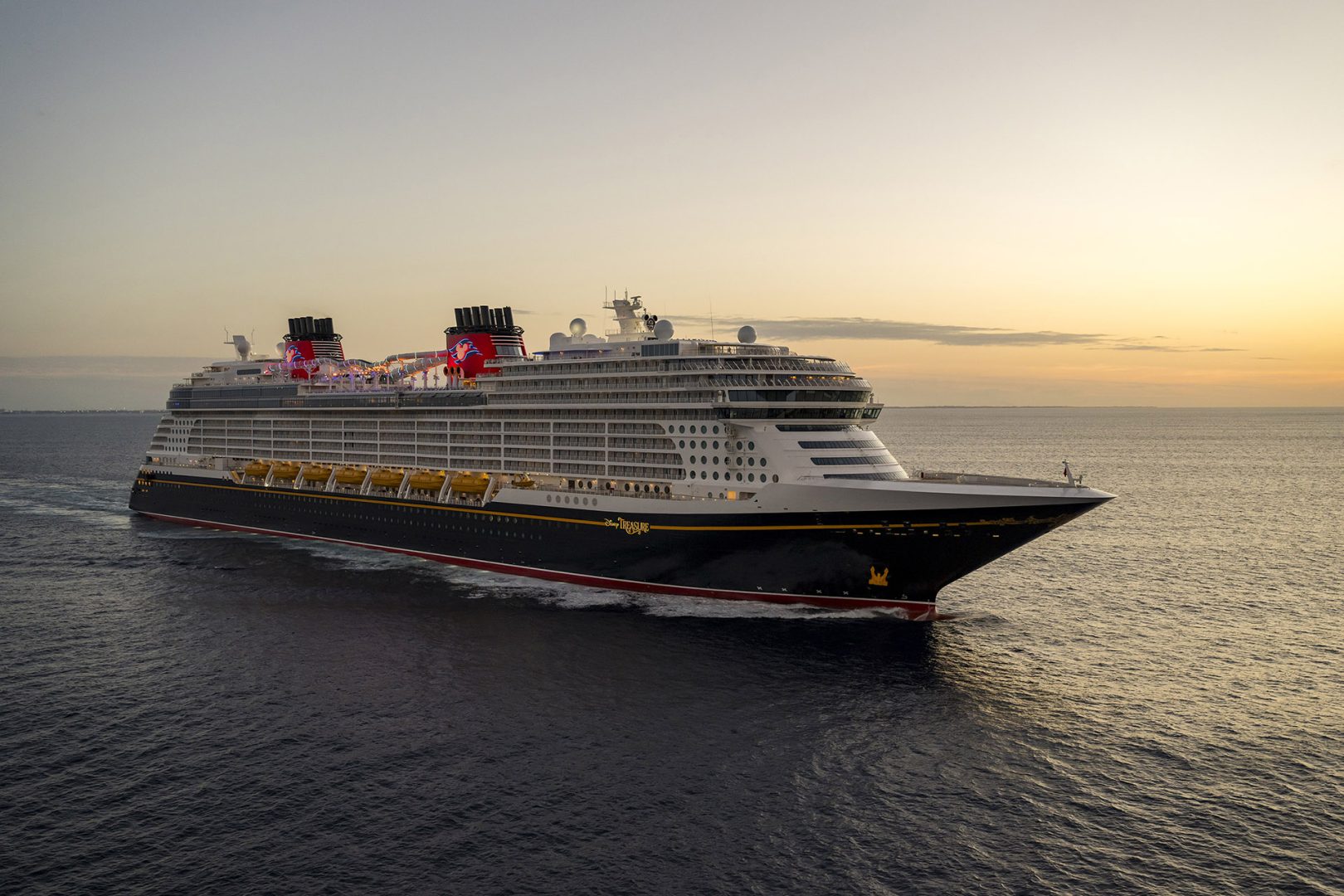
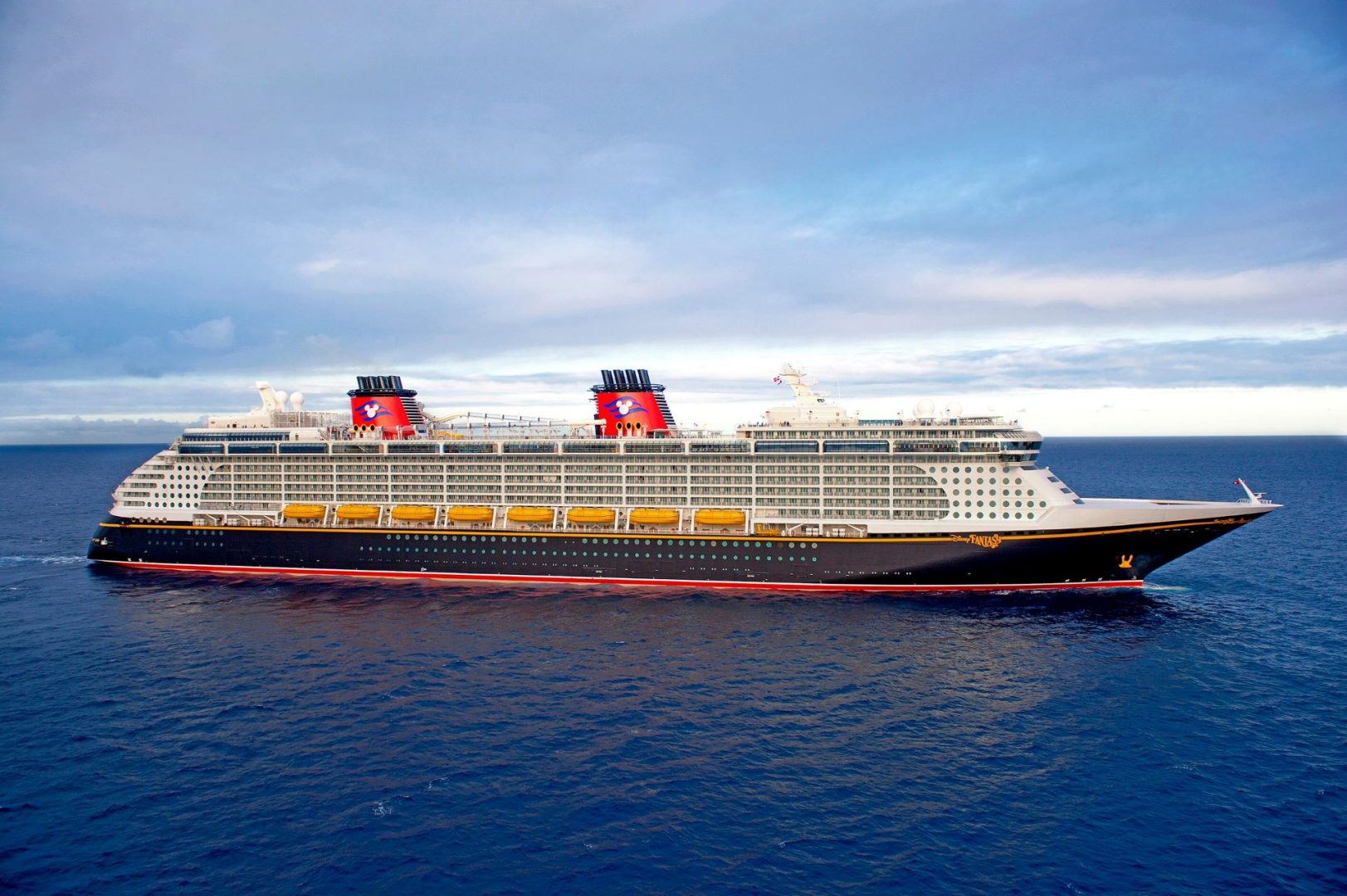
A cruise ship pivots around its center, and its stabilizers damp most of the roll you would feel on a smaller boat. On a calm-weather Bahamas or Caribbean sailing, a lot of families never think about motion once. Rougher itineraries, open-ocean crossings, and storm systems are where it shows up.
The trickier part with a toddler is that they cannot tell you “I feel seasick.” The signs are indirect: sudden fussiness, going pale or quiet, yawning, cold sweat, loss of appetite, and then vomiting that seems to come out of nowhere. If a normally happy kid gets miserable during a stretch of noticeable ship movement, motion is a reasonable suspect.
Pick the cabin that moves the least
If you are still booking and anyone in your family is prone to motion sickness, cabin location is the cheapest prevention there is. A ship rotates around its middle, so a midship cabin on a lower deck moves the least in a swell. Cabins that are high up, far forward, or far aft amplify the motion.
You do not have to obsess over this, and plenty of families in high-deck forward cabins never notice. But if you have a choice and a known-sensitive kid, midship and low is the free insurance.
The non-medication tools, which are where to start
These are all mild, safe, and stackable, and for most toddlers they are enough on their own. The families who swear they “cured” their kid are usually running several of these at once.
Sea bands. Acupressure wristbands like Sea-Band come in a child size, and they work by pressure on the inner wrist. The evidence is mixed and they are best treated as a helpful add-on rather than a guarantee, but they are cheap, drug-free, and worth trying first. Position matters, so read the placement instructions. A set of kids’ sea bands takes up no room in a bag.
Ginger. Ginger has the best research support of any natural remedy for nausea. For a toddler that usually means ginger chews or a little ginger tea in kid-appropriate amounts rather than capsules. Ask your pediatrician what amount makes sense for your child’s age.
Horizon and fresh air. Getting out on deck where a child can see the horizon, and away from a stuffy interior cabin, settles a lot of early queasiness. The horizon gives the inner ear and the eyes matching information, which is the whole problem with motion sickness in the first place.
No screens during rough patches. A tablet held close while the ship moves is a reliable way to tip a borderline kid over the edge. Save the screen time for calm water or the cabin.
Light food and steady hydration. An empty stomach and a very full stomach both make it worse. Plain crackers, small sips of water, and bland snacks beat a big rich meal on a rough afternoon.
Medication: helpful, but this is where you call your pediatrician
This is the part to get right, because the margin for error with small children and these drugs is real. Do not improvise doses from a box meant for adults.
Here is the honest landscape. Dramamine for Kids (dimenhydrinate) is formulated for ages 2 to 12, so a product designed for young children does exist. Meclizine, sold as Bonine and Dramamine Less Drowsy, is generally not for children under 12 without a doctor’s okay. The scopolamine patch that adults use is prescription and not intended for young kids at all. None of that is a substitute for your pediatrician telling you what, and how much, is right for your specific child by weight and age.
Two safety points that parents consistently underappreciate. First, these antihistamine medications make some kids drowsy but make other kids wired, a paradoxical agitation that is miserable to discover for the first time on a ship. Always give a test dose at home days before the trip so you know how your child reacts. Second, motion sickness medication works far better taken in advance, about an hour before rough conditions, than it does after a child already feels sick.
If it hits mid-sailing anyway
Get the child out on deck into fresh air with a view of the horizon. Offer small sips of water and a plain cracker, put the tablet away, and if your pediatrician has already cleared a medication, this is when their preventive-timing advice pays off. Ship medical centers can also help, and guest services can point you there. Most toddler bouts pass once the water calms or the child adjusts, which for many kids happens within the first day.
The bottom line
For a typical warm-weather cruise on a big modern ship, most toddlers are completely fine, and a midship lower cabin plus a set of sea bands and some ginger chews in the bag is a proportionate amount of preparation. Save the medication question for a real conversation with your pediatrician, do the test dose at home, and do not hand a queasy toddler a screen on a rough afternoon. Prepare for it lightly and it almost never becomes the story of your trip.
If you are still mapping out the sailing, the under-2 cruise guide and the packing list for toddlers cover the rest of the health-and-logistics basics worth sorting before you board.